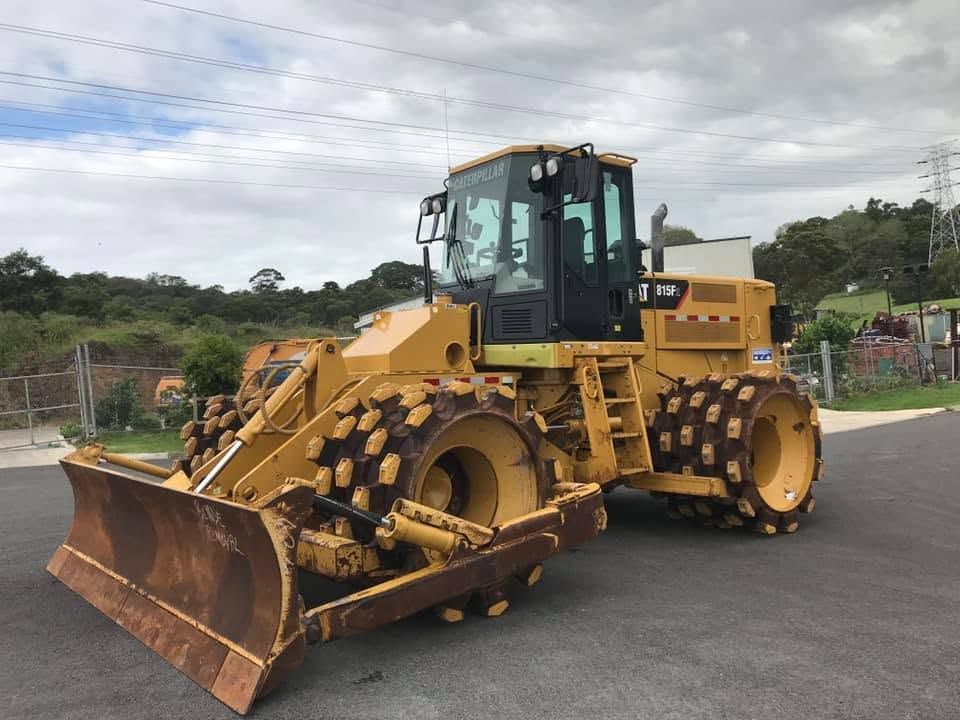
A cracked hydraulic hose on a Friday afternoon can shut down an entire worksite until Monday. For construction companies, civil contractors and quarry operators, this scenario plays out more often than most budgets can absorb. The good news is that most breakdowns don't come out of nowhere. They build slowly, through worn seals, clogged filters and neglected undercarriages, long before a machine finally grinds to a halt. This is where a heavy machinery mechanic Wollongong locals trust becomes central to keeping operations moving, not just fixing problems after they happen. A structured preventive maintenance schedule shifts the focus from reactive repairs to planned servicing, and the difference shows up in fewer surprises, longer equipment life and worksites that keep running on schedule.
What Is Preventive Maintenance For Heavy Machinery
Preventive maintenance is a planned approach to servicing equipment based on time, usage hours or manufacturer recommendations, rather than waiting for something to fail. Instead of reacting to a warning light or a strange noise, operators follow a set schedule of inspections, fluid changes and component checks designed to catch wear before it turns into a breakdown. For businesses relying on excavators, loaders or dozers, this approach protects both the asset and the project timeline.
A solid program typically includes:
- Scheduled servicing based on engine hours or calendar intervals
- Routine fluid and filter changes
- Inspection of wear parts like tracks, bushings and belts
- Documentation of every service for warranty and resale purposes
How Does Preventive Maintenance Reduce Equipment Downtime
Unplanned downtime almost always traces back to a component that was overdue for attention. When servicing is scheduled in advance, technicians can identify early signs of wear, such as a slipping belt or a hydraulic leak, and address them before they escalate into a full breakdown. This proactive rhythm means repairs happen in a controlled environment, on a timeline the business chooses, rather than in the middle of a job when a machine simply stops. Engaging a heavy machinery repair in Wollongong for regular servicing also means faults are caught during routine checks rather than discovered mid-shift.
The main downtime reductions come from:
- Fewer emergency callouts disrupting active job sites
- Reduced likelihood of cascading failures from one worn part
- Shorter repair times since issues are caught early and are usually minor
- Better parts availability when servicing is planned rather than urgent
What Should Be Included In A Heavy Machinery Maintenance Schedule
A maintenance schedule works best when it's tailored to how a machine is actually used, not just a generic checklist. Hours of operation, working conditions and the type of terrain all affect how often certain components need attention. A quarry-based excavator, for example, faces very different wear patterns to a machine used mostly for light earthmoving. Many operators find it useful to loop in a heavy machinery mechanic in Wollongong when setting these intervals, since local wear patterns aren't always obvious from a manufacturer's manual alone. Getting the schedule right means balancing manufacturer guidelines with real-world observations from operators and technicians.
Core elements worth including are:
- Engine oil, hydraulic fluid and filter change intervals
- Undercarriage and track tension inspections
- Cooling system checks, particularly in dusty or humid conditions
- Electrical system testing to catch intermittent faults early
Why Reactive Repairs Cost More Than Planned Servicing
Waiting until a machine fails almost always costs more than catching the issue early. This is one of the clearest arguments for scheduled heavy machinery repair in Wollongong rather than waiting for a fault to force the issue. A minor hydraulic leak left unaddressed can damage seals, lines and pumps, turning a small fix into a major overhaul. Beyond parts and labour, there's the cost of idle machinery, delayed project milestones and, in some cases, hired equipment to bridge the gap. Reactive repairs also tend to happen under time pressure, which limits options for sourcing parts or scheduling technicians at convenient times.
Reactive repair costs typically stack up through:
- Higher parts costs from expedited or emergency ordering
- Extended machine downtime while repairs are diagnosed and completed
- Flow-on delays to other equipment or crews waiting on that machine
- Increased risk of secondary damage from a small fault left untreated
How Worksite Conditions Influence Maintenance Needs
Not all machinery works under the same conditions, and this has a direct bearing on how often servicing should occur. Dust-heavy quarry environments clog air filters faster, coastal humidity accelerates corrosion on exposed components, and constant vibration on civil sites puts extra strain on undercarriages. A maintenance schedule built around generic timeframes without accounting for these factors risks missing problems that are specific to how and where the machine operates.
Conditions that typically demand closer attention include:
- High dust or debris exposure affecting filtration systems
- Humidity or salt exposure increasing corrosion risk
- Constant vibration and impact wearing undercarriage components faster
- Extended operating hours pushing engines and cooling systems harder
Choosing Between In House Checks And Professional Servicing
Many operators handle basic daily checks themselves, such as fluid levels and visual inspections, which is a sensible first line of defence. However, more detailed diagnostics, such as testing electrical systems or assessing undercarriage wear patterns, generally require trained technicians with the right equipment. Relying solely on in-house checks can mean subtle issues go unnoticed until they become expensive problems. A blended approach, where operators handle daily basics and professionals manage scheduled deeper servicing, tends to deliver the most reliable results.
A balanced approach usually involves:
- Daily operator checks for fluid levels, leaks and visible damage
- Scheduled professional servicing for deeper diagnostics
- Documented records shared between operators and technicians
- Clear escalation points for when an issue needs urgent attention
Extending The Working Life Of Your Fleet
Machinery represents a significant capital investment, and how it's maintained directly affects how long it stays productive. Engines, transmissions and undercarriages all wear at different rates depending on servicing consistency. Fleets that follow a preventive schedule tend to retain higher resale value and require fewer major component replacements over their working life. This isn't about avoiding wear altogether, since that's unavoidable with heavy use, but about slowing it down and catching problems while they're still manageable.
Practical steps that extend fleet lifespan include:
- Consistent oil and filter changes at manufacturer-recommended intervals
- Regular undercarriage adjustments to prevent uneven wear
- Prompt attention to minor leaks or unusual noises
- Keeping detailed service histories for every machine in the fleet
Building A Maintenance Routine That Fits Your Operation
Every fleet operates differently, so a maintenance routine needs to reflect the specific mix of machines, worksites and usage patterns involved. Some businesses run a handful of machines on a single site, while others manage a fleet spread across multiple projects with varying demands. Building a routine starts with understanding usage hours, then layering in manufacturer guidelines and adjusting based on the conditions each machine faces. Over time, this routine becomes a working document, refined as patterns in wear and repairs become clearer.
Getting the routine right generally involves:
- Reviewing usage hours and duty cycles for each machine
- Setting realistic servicing intervals based on manufacturer specs
- Adjusting schedules as wear patterns emerge from service records
- Reassessing the routine periodically as fleet needs change
Keep Your Fleet Running With Buckley's Plant Maintenance
We at Buckley's Plant Maintenance understand that heavy machinery downtime doesn't just cost money, it disrupts entire project timelines. Our technicians work with construction companies, civil contractors, quarry operators and fleet managers throughout Wollongong to build maintenance schedules that suit the way their equipment is actually used, not a generic template. Whether you need onsite servicing, undercarriage inspections or a full preventive maintenance plan, our team is ready to help keep your machines reliable and your worksite productive. Get in touch with our team today to book a service or discuss a maintenance schedule tailored to your fleet.
About the author
Buckley's Plant Maintenance — sharing practical insight on heavy machinery repair, maintenance and plant hire across the Illawarra and NSW.