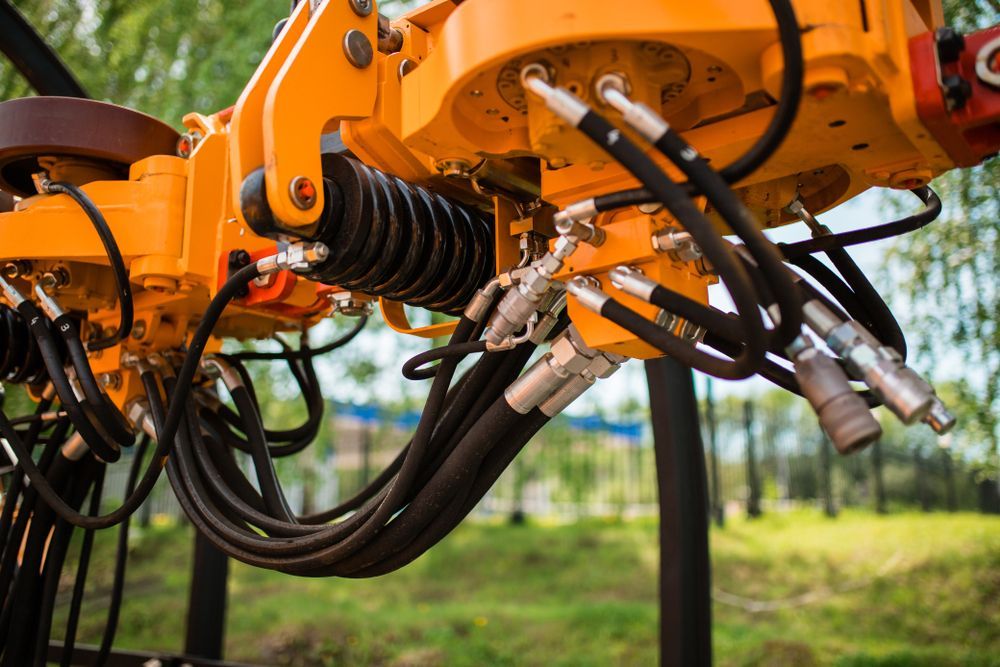
A single hydraulic hose failure can bring an entire machine, and the job it's on, to a complete standstill. On a busy civil or earthmoving site, that's not just an inconvenience; it's lost hours, delayed schedules and mounting pressure from every direction. For anyone responsible for plant equipment maintenance in Illawarra, hydraulic hose failures are one of the most common and disruptive causes of unplanned downtime — and they have a habit of happening at the worst possible time. Understanding what causes them, how to spot the early signs and why the method of repair matters can make a real difference to how quickly your machinery gets back to work.
What Causes Hydraulic Hoses to Fail
Hydraulic hoses operate under significant and continuous stress, and the conditions on heavy machinery sites only make that harder on the system. Failures rarely come out of nowhere — they build up over time through a combination of mechanical wear, environmental exposure and system-related issues.
Common causes of hose failure include:
- Abrasion from contact with other hoses, structures or debris wearing through the outer layer
- High-pressure spikes or surges that exceed the hose's rated capacity
- UV exposure and heat cycling that degrade the hose material over time
- Incorrect bend radius that puts constant stress on the hose wall
- Age and fatigue, particularly in older fleets that haven't had scheduled inspections
The Role of Installation Quality in Hose Longevity
How a hose is fitted matters just as much as the hose itself. Poorly routed or incorrectly specified hoses are under unnecessary strain from the moment they're installed, which shortens their working life considerably. This is especially relevant on complex machinery where hydraulic lines run close to hot surfaces, moving parts or sharp metal edges.
Installation factors that shorten hose life include:
- Using the wrong hose type or pressure rating for the application
- Routing that allows excessive movement or vibration without proper support
- Fittings that aren't fully seated or are mismatched to the hose assembly
- Lack of protective sleeving where hoses run near abrasive or heat-generating surfaces
- Not accounting for machine movement when calculating required hose length
Warning Signs That a Hydraulic Hose Is Failing
Hoses rarely fail completely without showing some indication first. Knowing what to look for during daily walkarounds gives operators and fleet managers a chance to address the issue before it becomes a breakdown — and catching a problem early is almost always cheaper and less disruptive than dealing with the aftermath of a full failure.
Signs worth investigating immediately include:
- Visible external damage such as cuts, cracking or significant abrasion to the outer sheath
- Weeping or seeping fluid at fittings or along the hose body
- Soft or spongy sections in what should be a firm hose
- Hydraulic fluid on the ground beneath a machine after it's been stationary
- A drop in system pressure or sluggish response from hydraulic attachments
Why Contamination Control Matters During Hose Replacement
When a hydraulic hose is opened for replacement, the entire system is momentarily exposed. Any dust, grit, moisture or debris that enters at that point can travel through the hydraulic circuit and cause damage to pumps, valves and cylinders that's far more costly than the original hose failure. Contamination is one of the leading causes of hydraulic system damage, and it's largely preventable with the right practices in place.
Proper contamination control during hose work involves:
- Capping open ports immediately to prevent ingress while the new hose is prepared
- Using clean, purpose-built hose assembly equipment rather than improvised tools
- Flushing and inspecting new hose assemblies before installation
- Keeping the work area as clean as practical, even on a busy site
- Replacing fluid that may have been contaminated during the failure event
How Mobile Hose Replacement Reduces Machine Downtime
Getting a machine back to work quickly is the priority when a hose fails on site. Transporting heavy equipment to a workshop for repair takes time, creates additional costs and often means the machine is out of action for far longer than necessary. Mobile hose replacement brings the repair to the machine, cutting out the logistics of a workshop visit and allowing the work to happen where and when it's needed.
The practical advantages of onsite hose repair include:
- No need to transport machinery off site or arrange towing
- Faster response time compared to waiting for a workshop booking
- Repairs completed using clean, professional hose assembly equipment on location
- Reduced total downtime, keeping project schedules on track
- The ability to service multiple machines or hoses in a single site visit
Hydraulic System Health Beyond the Hose
A hose failure is often a symptom rather than an isolated event. When one hose fails, it's worth looking at the condition of the rest of the hydraulic circuit — fittings, connectors, cylinders and fluid condition — to understand whether the failure resulted from a broader system issue. Addressing the cause, not just the symptom, is what prevents repeat failures down the track.
Areas to assess after a hose failure include:
- Fluid sample testing to check for contamination or degraded fluid condition
- Inspection of nearby hoses for similar wear patterns or damage
- Checking system pressure settings against manufacturer specifications
- Looking for signs of external leaks at cylinder seals and valve blocks
- Reviewing the machine's maintenance history for recurring hydraulic issues
Scheduled Inspections as a Failure Prevention Tool
Reactive repairs will always be part of running heavy machinery, but a scheduled inspection programme significantly reduces unplanned breakdowns. Identifying wear and potential failure points before they cause a stoppage means repairs can be planned around the work rather than the other way around — and for fleet managers juggling multiple machines across multiple jobs, that kind of control is genuinely valuable.
A practical inspection routine for hydraulic systems includes:
- Regular visual checks of hoses, fittings and cylinders as part of pre-start walkarounds
- Scheduled pressure testing at defined service intervals
- Documenting hose condition and age to track when replacements are likely needed
- Reviewing fluid condition at each service to catch contamination early
- Using findings to build a rolling maintenance forecast rather than responding to failures
Understanding Hose Ratings and Replacement Specifications
Not every hydraulic hose is the same, and using a replacement that doesn't match the original specification can create new problems even after a successful repair. Hose assemblies are rated for working pressure, temperature range, fluid compatibility and bend radius — and each of those parameters matters for the hydraulic circuit to function safely and reliably.
Key specification factors to verify during replacement include:
- Working pressure rating matched to or exceeding the system's operating pressure
- Correct hose inner diameter to maintain required flow rates
- Temperature rating suitable for the ambient and fluid operating conditions
- End fittings that match the existing ports in type, thread and sealing method
- Hose material compatibility with the hydraulic fluid in use
When Temporary Fixes Create Bigger Problems
A make-do repair that gets a machine running for the rest of the day can sometimes cause more damage than shutting it down and waiting for a proper fix. Underrated hose, incorrectly crimped fittings or repairs made with contaminated parts may hold for a while but will likely fail again, sometimes in a more damaging way. The short-term thinking that drives these decisions is understandable under site pressure, but the consequences often outweigh the time saved.
Situations where a temporary fix tends to backfire include:
- Using a hose rated below the system's operating pressure as a short-term workaround
- Hand-tightening fittings without torquing to specification
- Bypassing a failed component rather than replacing it correctly
- Not flushing the system after a contamination event
- Repeating the same repair on a hose that has already failed once without investigating the root cause
Get Your Plant Running Again, Faster
We at BP Services understand that machine downtime on a civil or earthmoving site has real consequences — missed milestones, idle crews and pressure that builds quickly. Our mobile hydraulic hose repair and plant equipment maintenance service across the Illawarra is designed to get to your machine, complete the repair with clean, properly assembled hose and get you back to work without the delays that come with a workshop visit. Whether you're managing a single machine or a full fleet, we're set up to respond quickly and work to the standards your hydraulic systems need. Give us a call or reach out online to organise onsite support.
< Older Post
Newer Post >
Top Questions To Ask Before Engaging A Plant Hire Company
Common Plant Machinery Repair & Maintenance Mistakes To Avoid
Complete Guide To Plant Hire In Wollongong (2026)
About the author
Buckley's Plant Maintenance — sharing practical insight on heavy machinery repair, maintenance and plant hire across the Illawarra and NSW.