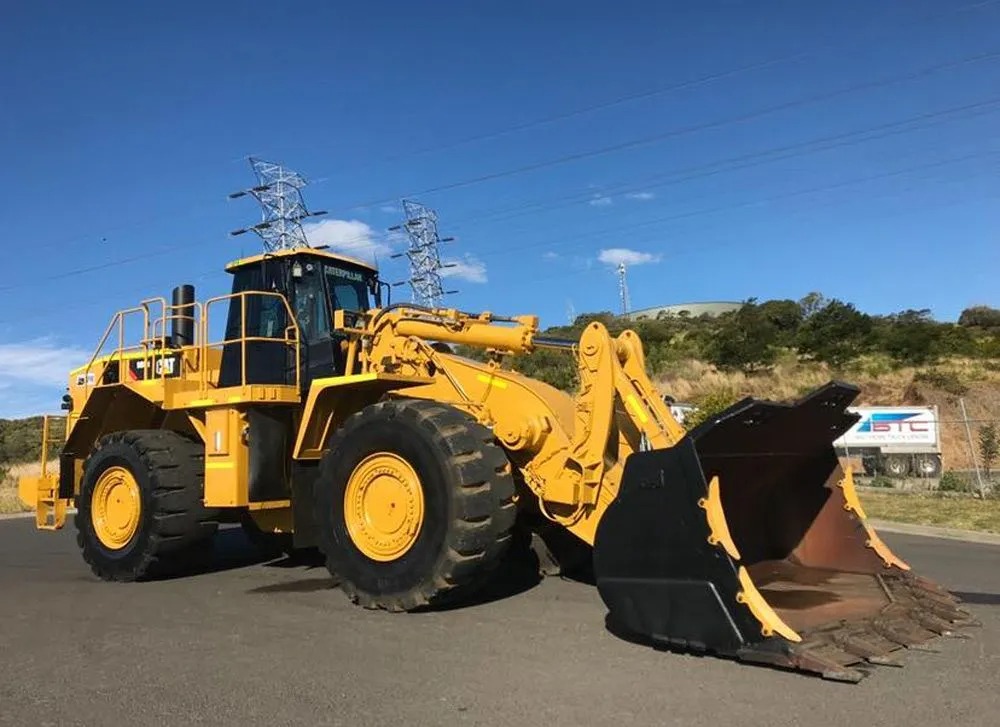
A warning light on your excavator, loader or skid steer can indicate anything from a routine service reminder to a serious mechanical fault. Understanding plant machinery warning lights helps you decide whether to keep working, arrange maintenance or shut down immediately to prevent costly damage.
The important thing to remember is that a warning light identifies a symptom, not necessarily the underlying fault. A hydraulic temperature warning, for example, could indicate a blocked cooler, low oil level or failing component.
Here's what the most common warning lights mean and what to do when they appear.
What Do Warning Light Colours Mean on Plant Machinery?
Most earthmoving machinery uses coloured dashboard warning lights to indicate different levels of urgency.
What do the different warning light colours mean on heavy machinery?
- Red: Generally indicates a serious fault requiring an immediate safe stop and investigation.
- Amber or yellow: Indicates a fault, maintenance requirement or operating restriction that needs attention.
- Green: Usually confirms a system or function is operating normally.
- Blue: Typically provides information about an active operating function.
Colour alone doesn't determine whether a machine is safe to operate. Flashing lights, audible alarms and accompanying fault codes can indicate greater urgency.
Always check the manufacturer's instructions, as excavator dash symbols and warning systems vary between Caterpillar, Komatsu, Hitachi, Volvo, Kobelco, Bobcat and other brands.
What Do the Most Common Excavator Warning Symbols Mean?
Understanding common excavator warning symbols and meanings helps operators recognise which systems need attention before a minor issue becomes a major breakdown.
What Does the Engine Oil Pressure Warning Mean?
Action: Stop immediately.
A red oil pressure warning indicates the engine may not have sufficient oil pressure to lubricate internal components.
Possible causes include low engine oil, a failing oil pump, blocked oil pickup or faulty pressure sensor.
If the warning appears during operation, stop safely and follow the manufacturer's shutdown procedure. Continuing to run the engine can damage bearings, crankshafts and turbochargers.
What Does the Engine Coolant Temperature Warning Mean?
Action: Stop work and follow the cooling procedure.
An engine temperature warning means the cooling system isn't maintaining a safe operating temperature.
Common causes include blocked radiators, low coolant, damaged cooling fans or faulty thermostats.
Excavators and loaders working in dusty environments often accumulate debris around their cooling systems. Continuing to operate while overheating risks serious engine damage.
Never remove a radiator cap while the system is hot or pressurised.
Can I Keep Running an Excavator With the Hydraulic Oil Temperature Light On?
Action: Stop hydraulic operations and investigate.
You shouldn't continue working with an active hydraulic oil overtemperature warning. Excessive heat can damage pumps, seals, valves and other expensive hydraulic components.
Common causes include blocked hydraulic coolers, low oil levels, restricted filters and excessive internal leakage.
For example, an excavator digging heavy clay might develop a temperature warning after sustained operation. While the operator may assume the machine simply needs to cool down, a blocked cooler or worn hydraulic component could be responsible.
Low hydraulic oil can also indicate a leak. Learn more about the causes and warning signs of hydraulic hose failures in detail separately.
What Does the Battery Warning Light Mean?
Action: Stop safely and check the charging system.
A battery warning light during operation usually indicates the charging system isn't maintaining sufficient electrical supply.
Although a failing alternator is one possibility, corroded terminals, damaged wiring, loose connections or slipping drive belts can trigger the same warning.
A machine might continue running briefly before losing electrical power or refusing to restart. Proper electrical testing helps identify the cause without unnecessarily replacing components.
Why Is My DPF Warning Light On?
Action: Check whether regeneration or professional diagnosis is required.
A DPF warning light generally indicates that the diesel particulate filter needs regeneration or the exhaust aftertreatment system has detected a problem.
The DPF captures soot from exhaust gases and periodically burns it off through regeneration.
Machinery that spends extended periods idling or operating under light loads may struggle to complete this process.
The warning could indicate an interrupted regeneration, excessive soot accumulation or a faulty sensor.
Some machines allow parked regeneration under specific conditions. However, a flashing DPF warning, reduced engine power or additional fault code may require professional diagnosis.
Always follow the manufacturer's regeneration instructions.
What Do Bobcat Warning Light Symbols Mean?
Bobcat warning light symbols commonly relate to engine temperature, oil pressure, hydraulic systems, charging faults and DPF operation.
Skid steers and compact excavators may also display warnings involving hydraulic interlocks, seat bar systems or other safety controls.
Because symbols differ between models, check the specific fault code and operator manual. Never bypass a safety interlock to finish a job.
Which Warning Lights Mean You Should Stop the Machine Straight Away?
Stop operating immediately when a warning indicates serious mechanical damage or compromised machine safety.
Warnings that generally require an immediate safe stop include:
- Low engine oil pressure: Risks severe internal engine damage.
- Critical engine overheating: Can damage cylinder heads, gaskets and other components.
- Critical hydraulic oil temperature: Can damage hydraulic pumps, seals and valves.
- Low hydraulic pressure or fluid level: May affect machine control or damage components.
- Brake or steering faults: Can compromise safe operation.
- Critical transmission warnings: May indicate conditions that cause further drivetrain damage.
If a critical warning appears while lifting or operating on uneven ground, prioritise safety. Lower attachments where safe, secure the machine and follow the manufacturer's shutdown procedure.
Don't restart equipment simply to see whether the warning disappears.
If a red warning appears mid-job, shut down safely and contact a team offering mobile earthmoving machinery repairs in the Illawarra to identify the fault before further damage occurs.
Can You Keep Working With an Amber Warning Light On?
Sometimes, but an amber warning doesn't automatically mean you can finish the shift.
A routine service reminder may allow continued operation, while an engine management or hydraulic warning could indicate a developing problem.
Before continuing, consider three things.
- Is the machine behaving normally? Unusual noises, vibration, reduced hydraulic performance or loss of engine power suggest the problem needs immediate attention.
- Is the warning flashing or accompanied by an alarm? Flashing indicators and additional fault messages can signal more urgent conditions.
- Has the warning appeared before? Recurring faults deserve investigation, even when the machine seems to operate normally.
For example, an intermittent charging warning could indicate a corroded electrical connection that loses contact during vibration.
Warning lights aren't the only signs of trouble. Our guide, Identify When Your Heavy Machinery Needs Professional Attention, covers other symptoms worth watching.
Why Does a Warning Light Keep Coming Back After It's Been Reset?
A warning light that repeatedly returns usually means the underlying fault hasn't been corrected.
Clearing a fault code doesn't repair a damaged sensor, loose connection, blocked cooler or failing mechanical component.
Some problems only appear under particular operating conditions.
For example, an excavator might display a hydraulic temperature warning after an hour of digging but operate normally while idling.
Intermittent faults can result from damaged wiring, corroded connectors, inconsistent sensor readings or hydraulic restrictions under load.
If a warning keeps returning, an experienced heavy machinery mechanic in the Illawarra can use diagnostic equipment to identify the underlying fault rather than simply clearing the code.
A mechanic may examine fault history, monitor live operating data and test electrical circuits, hydraulic pressures or cooling system components to establish the actual cause.
Accurate diagnosis matters because replacing parts based on a warning symbol alone can waste time without resolving the problem.
If a faulty sensor or component needs replacing, sourcing quality used machinery parts can help reduce repair costs and get equipment back to work sooner, depending on availability.
What Should You Tell Your Mechanic When You Call?
Providing clear information helps a mobile heavy machinery mechanic identify the likely problem and prepare for an on-site inspection.
Where safe, record:
- Machine details: Make, model and approximate operating hours.
- Warning information: A photo of the dashboard, warning symbol and fault code.
- Operating conditions: Whether the warning appeared during startup, idling, travelling, digging or lifting.
- Other symptoms: Unusual noises, overheating, reduced power or hydraulic performance changes.
- Fault history: Whether the warning has appeared before or returns after resetting.
- Site location: Address, access instructions and relevant safety requirements.
Don't put yourself at risk to collect this information. If a serious warning appears, securing the machine safely comes first.
Modern diagnostic equipment can retrieve fault codes and monitor live sensor readings, but physical inspection remains important.
For example, a charging fault code doesn't necessarily mean the alternator has failed. A mechanic might find a damaged cable or corroded connection instead.
For contractors needing heavy machinery repairs in Wollongong, Shellharbour or the Southern Highlands, Buckley's Plant Maintenance provides 24/7 mobile diagnostics and breakdown repairs across all makes and models.
Having serviced Illawarra mining and construction machinery since 1990, the team understands the importance of finding faults quickly and reducing unnecessary downtime.
Know When to Stop and When to Call
Understanding plant machinery warning lights helps you make safer decisions and avoid unnecessary damage. Red critical warnings generally require an immediate safe stop, while amber warnings need assessment against the machine's behaviour and manufacturer instructions.
Most importantly, a warning that keeps returning needs proper diagnosis rather than another reset.
If your excavator, loader or skid steer displays a serious or recurring fault, shut down safely and contact Buckley's Plant Maintenance. Our team provides 24/7 earthmoving machinery repairs and mobile diagnostics throughout the Illawarra to help identify the problem and get your equipment back to work.
Frequently Asked Questions
About the author
Buckley's Plant Maintenance — sharing practical insight on heavy machinery repair, maintenance and plant hire across the Illawarra and NSW.