Every successful construction project relies on having the right plant equipment on site. From early earthworks to structural construction and finishing stages, appropriate machinery plays a critical role in keeping projects efficient, safe and on schedule. Without the correct equipment, productivity drops, safety risks increase and costs can quickly escalate.
For contractors and site managers considering plant hire in Illawarra, understanding which plant equipment is essential — and how to maintain it — helps ensure smooth operations across projects of all sizes. This guide outlines the core machinery every construction site needs, explains their functions and highlights key considerations for safety, maintenance and compliance.
Why the Right Plant Equipment Matters
Plant equipment is more than just machinery; it directly impacts workflow, labour efficiency and safety outcomes. Choosing the right equipment allows tasks to be completed faster, reduces manual handling risks and ensures work meets industry standards. Key benefits of having the right plant equipment include:
- Improved site productivity and efficiency
- Reduced strain and injury risks for workers
- Better project timelines and cost control
- Compliance with safety and operational standards
Well-selected equipment supports both short-term performance and long-term project success.
Excavators: The Backbone of Construction Sites
Excavators are among the most versatile machines on any construction site. They are used from the very first stages of a project through to final works. Common uses include:
- Bulk earthmoving and trenching
- Foundation preparation
- Site clearing and demolition
- Lifting and placing materials
Choosing the right excavator size is essential. Smaller excavators suit tight or residential sites, while larger machines handle commercial and industrial earthworks more efficiently.
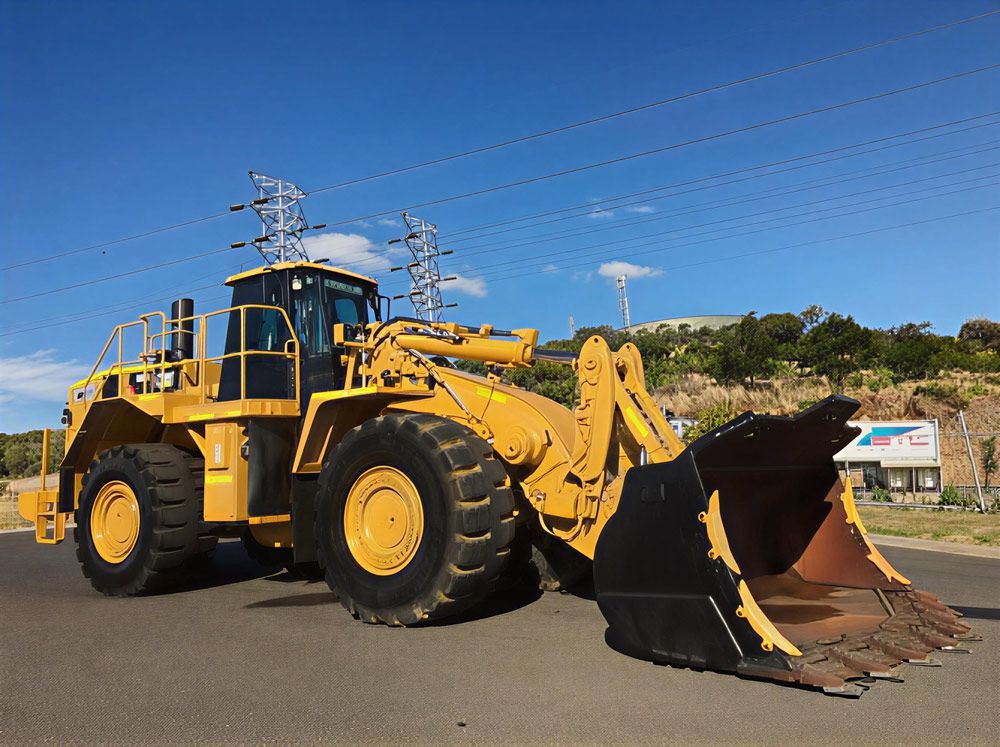
Loaders and Skid Steers for Material Handling
Loaders and skid steer loaders are essential for moving materials quickly and efficiently around the site. They are particularly useful in confined spaces where larger machinery cannot operate easily. Typical applications include:
- Loading and transporting materials
- Site clean-up and waste removal
- Backfilling trenches
- Supporting excavation and grading tasks
Their versatility makes them a staple across many construction environments.
Bulldozers and Graders for Site Preparation
For larger projects, bulldozers and graders are crucial during site preparation stages. These machines help shape the land and ensure surfaces meet design and drainage requirements. Bulldozers are commonly used for:
- Clearing vegetation
- Rough grading
- Pushing and spreading materials
Graders are essential for:
- Fine grading and levelling
- Creating accurate slopes and drainage paths
- Preparing roadways and hardstand areas
Proper operation of these machines ensures a stable foundation for all subsequent work.
Cranes and Lifting Equipment
Lifting heavy materials safely is a core requirement on most construction sites. Cranes and specialised lifting equipment allow materials to be moved vertically and horizontally with precision. Common lifting equipment includes:
- Mobile cranes
- Franna cranes
- Hoists and lifting frames
Using appropriate lifting equipment reduces manual handling risks and supports compliance with workplace safety regulations.
Compaction Equipment for Ground Stability
Compaction equipment ensures soil and aggregate layers are stable and capable of supporting structures. Without proper compaction, surfaces can shift or settle, leading to structural issues later. Essential compaction equipment includes:
- Rollers
- Plate compactors
- Rammers
Proper compaction improves load-bearing capacity and reduces the risk of future subsidence.
Supporting Tools and Auxiliary Equipment
Beyond heavy machinery, supporting equipment plays a vital role in daily site operations. These tools improve efficiency and safety when used alongside larger plant. Examples include:
- Generators and lighting towers
- Water carts for dust suppression
- Temporary fencing and barriers
- Traffic control equipment
While smaller, these items are critical for maintaining safe and productive work environments.
The Role of Maintenance in Plant Equipment Performance
Reliable machinery depends on consistent upkeep. Neglecting heavy equipment maintenance can lead to breakdowns, delays and safety risks. Effective maintenance practices include:
- Regular inspections before and after use
- Scheduled servicing and oil changes
- Prompt repairs of minor issues
- Keeping accurate service records
Engaging experienced technicians or a heavy machinery mechanic in Wollongong ensures equipment remains compliant and operational.
Reducing Downtime Through Preventative Maintenance
Preventative heavy machinery maintenance is one of the most effective ways to reduce downtime and unexpected repair costs. Addressing wear and tear early helps avoid major failures that halt site operations. Benefits of preventative maintenance include:
- Extended equipment lifespan
- Improved reliability and performance
- Reduced safety incidents
- Better cost control over time
Well-maintained equipment contributes directly to smoother project delivery.
Choosing the Right Equipment for Each Project
Not every project requires the same machinery. Selecting equipment based on site conditions, scope of work and duration helps maximise efficiency and minimise unnecessary costs. When choosing equipment, consider:
- Site access and space constraints
- Load requirements and task complexity
- Project timelines
- Operator experience and training
This approach ensures the equipment hired aligns with actual site needs.
Compliance and Safety Considerations
All plant equipment must meet safety and regulatory requirements. This includes ensuring machines are properly maintained, operators are trained and safety systems are in place. Key compliance considerations include:
- Operator licensing and competency
- Machinery guarding and safety features
- Routine inspections and documentation
- Adherence to workplace health and safety regulations
Maintaining compliance protects workers and reduces legal risk for businesses.
Why Plant Hire Is a Smart Solution
For many contractors, plant Hire in Illawarra offers flexibility and cost efficiency. Hiring equipment allows access to modern, well-maintained machinery without the long-term costs of ownership. Advantages of plant hire include:
- Reduced capital investment
- Access to specialised machinery
- Maintenance often included
- Scalability for different project sizes
This flexibility supports both short-term projects and long-term operational planning.
Final Thoughts
Essential plant equipment forms the foundation of safe, efficient and productive construction sites. From excavators and loaders to compaction tools and lifting equipment, each machine plays a vital role in delivering projects on time and within budget. By selecting the right equipment, prioritising heavy equipment maintenance and working with trusted providers of plant hire in Illawarra, construction professionals can reduce downtime, improve safety and achieve consistent results across projects.
Reliable Plant Hire and Support in Illawarra
At Buckley's Plant Maintenance, construction professionals access dependable plant hire in Illawarra supported by experienced technicians and comprehensive equipment care. With a strong focus on safety, reliability and maintenance, we help keep construction sites moving efficiently. Whether you need essential machinery or ongoing support from a heavy machinery mechanic in Wollongong, Buckley's Plant Maintenance provides practical solutions tailored to your project needs. Contact us today.
About the author
Buckley's Plant Maintenance — sharing practical insight on heavy machinery repair, maintenance and plant hire across the Illawarra and NSW.