Heavy machinery works hard in any setting, but coastal and industrial environments create far tougher conditions than operators often realise. Salt-laden air accelerates corrosion, industrial dust clogs filters, quarry debris wears down components and humidity affects electrical systems. These challenges build up quietly, which means issues often surface only after performance begins to drop. For operators who rely on machines every day, understanding how the coastal–industrial mix affects equipment is the first step to preventing costly repairs and downtime. With the right preparation, regular inspections and professional support from a heavy machinery mechanic in Wollongong, operators can keep their fleets reliable year-round.
This guide explains how to prepare and protect heavy machinery in demanding environments, what to look for during maintenance and which preventative steps can make the biggest difference.
1. Understand How Coastal Conditions Accelerate Corrosion
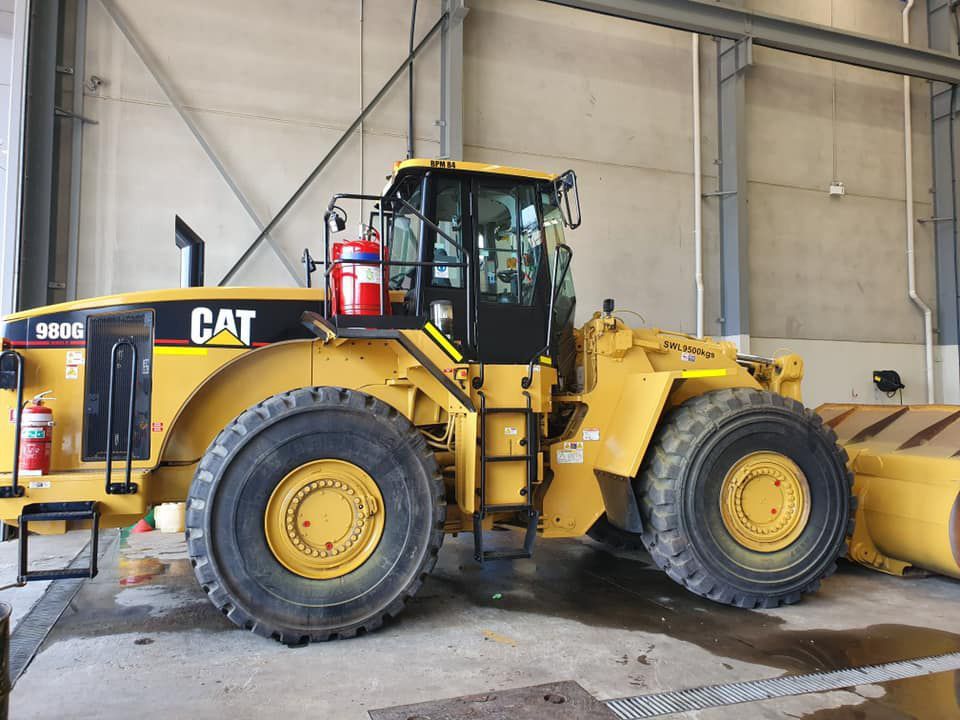
Corrosion is one of the most common issues affecting heavy equipment near the coast. Salt particles travel on the wind, settling onto machinery surfaces and corroding metal components far more rapidly than in inland environments. Once corrosion begins, it spreads quickly, weakening structural elements and compromising safety. This gradual damage often goes unnoticed until significant deterioration has already occurred, making preventive care essential for equipment working in harsh coastal zones.
Areas most at risk include:
- Exposed steel surfaces
- Undercarriages & track frames
- Hydraulic lines & fittings
- Electrical connectors
Routine rust prevention, washing and protective coatings are essential parts of heavy machinery maintenance in coastal regions. Early action helps extend lifespan, protect critical components and reduce the need for major repairs.
2. Protect Engines & Filters From Industrial Dust
Industrial estates, quarries and construction zones generate fine dust that infiltrates machinery quickly. Even with modern sealing systems, airborne particles can enter engine compartments, fuel systems and air filtration units. Over time, this buildup restricts airflow, interferes with combustion and places extra strain on vital components. Dust accumulation can also accelerate wear on moving parts, making equipment less reliable in demanding industrial environments.
Key dust-prone components include:
- Air intake filters
- Radiators & cooling fins
- Fuel filters
- Turbocharger housings
Clogged filters reduce airflow, increase engine load and raise operating temperatures. Heavy equipment maintenance should always include scheduled filter changes, cooling system checks and debris removal to keep machines running efficiently in dusty areas and reduce the risk of unexpected breakdowns.
3. Maintain Hydraulic Systems Under High-Pressure Conditions
Hydraulic systems are the backbone of excavators, loaders, dozers and other machinery. In coastal and industrial environments, seals and hoses wear faster due to heat, salt exposure and abrasive particles that work their way into fittings and components. As these elements deteriorate, the system loses efficiency and begins to show signs of strain that can quickly escalate into major faults.
Hydraulic wear indicators include:
- Spongy or inconsistent controls
- Visible leaks or damp hose coverings
- Slow or weak attachment response
- Increased operating temperatures
Preventative hydraulic inspections, fluid analysis and hose replacements reduce the risk of sudden failure and costly downtime. Staying ahead of hydraulic wear ensures safer and more reliable performance across demanding work sites.
4. Strengthen Electrical Systems Against Moisture & Salt Exposure
Moisture is a significant threat to electrical reliability. Saltwater accelerates corrosion on terminals, plugs and battery connections, while coastal humidity affects sensors and control modules.
Electrical components to check include:
- Battery terminals & cables
- Control panel connectors
- Lighting circuits
- Alternators & starter motors
A professional heavy machinery mechanic in Wollongong can thoroughly test electrical systems, diagnose intermittent faults and apply protective treatments designed for coastal applications.
5. Reinforce Undercarriages Working on Rough Industrial Terrain
Quarries, construction sites and industrial yards generate constant impact and vibration. This puts extreme strain on undercarriage components, especially:
- Rollers & track shoes
- Idlers & sprockets
- Suspension components
- Wear plates & guards
A poorly maintained undercarriage affects tracking, fuel efficiency and stability. Regular inspections and adjustments are essential to prevent uneven wear and expensive replacements.
6. Keep Cooling Systems Performing in Harsh Conditions
Heavy machinery operating in dusty, humid environments works harder to regulate temperature. Cooling systems can quickly become clogged with dust, salt residue or plant debris, all of which restrict airflow and reduce the system’s ability to disperse heat effectively. When this happens, engines are forced to operate at higher temperatures, which increases wear on internal components and raises the risk of unexpected shutdowns during critical tasks.
Cooling system checks should include:
- Radiator core cleaning
- Coolant level & quality checks
- Fan belt wear inspections
- Pressure testing when overheating is suspected
Overheating is one of the most common and preventable causes of engine damage. Consistent heavy equipment maintenance ensures that cooling systems perform reliably, even in harsh coastal or industrial conditions.
7. Stay Ahead With Preventative Servicing Schedules
Preventative servicing is the most effective way to reduce breakdowns and protect machinery investments. Following a structured maintenance schedule ensures small issues are resolved before they escalate.
A strong preventative schedule includes:
- Engine servicing at recommended intervals
- Lubrication programs adapted to the environment
- Regular undercarriage & hydraulic assessments
- Fluid testing to detect contamination
Many operators treat maintenance reactively, but coastal and industrial conditions demand proactive care to avoid expensive downtime.
8. Work With Specialists Who Understand Local Environmental Challenges
Machinery working in combined coastal and industrial settings requires specialised knowledge. A heavy machinery mechanic in Wollongong understands how salt, humidity, quarry dust and industrial wear influence performance. Professional support ensures machines are serviced using the correct treatments, coatings and preventative methods designed for the region’s unique environment.
A comprehensive service approach may include:
- Corrosion prevention & rust treatment
- Filter management tailored to dust exposure
- Electrical moisture protection
- Hydraulic system monitoring
- Site-specific maintenance advice
Partnering with an expert helps prolong machinery life, improve safety and maintain reliability across demanding work environments.
Keep Your Fleet Moving
At Buckley's Plant Maintenance, we support operators and fleet managers with heavy machinery maintenance that suits local conditions, from coastal corrosion to industrial dust and heavy quarry use. Our team understands the unique challenges of working around the Illawarra and provides tailored servicing to keep your equipment reliable and productive. Visit https://www.bp-services.com.au/ to book a service, schedule preventative maintenance or speak with a technician who can help you prepare your fleet for the tough Wollongong conditions.
About the author
Buckley's Plant Maintenance — sharing practical insight on heavy machinery repair, maintenance and plant hire across the Illawarra and NSW.