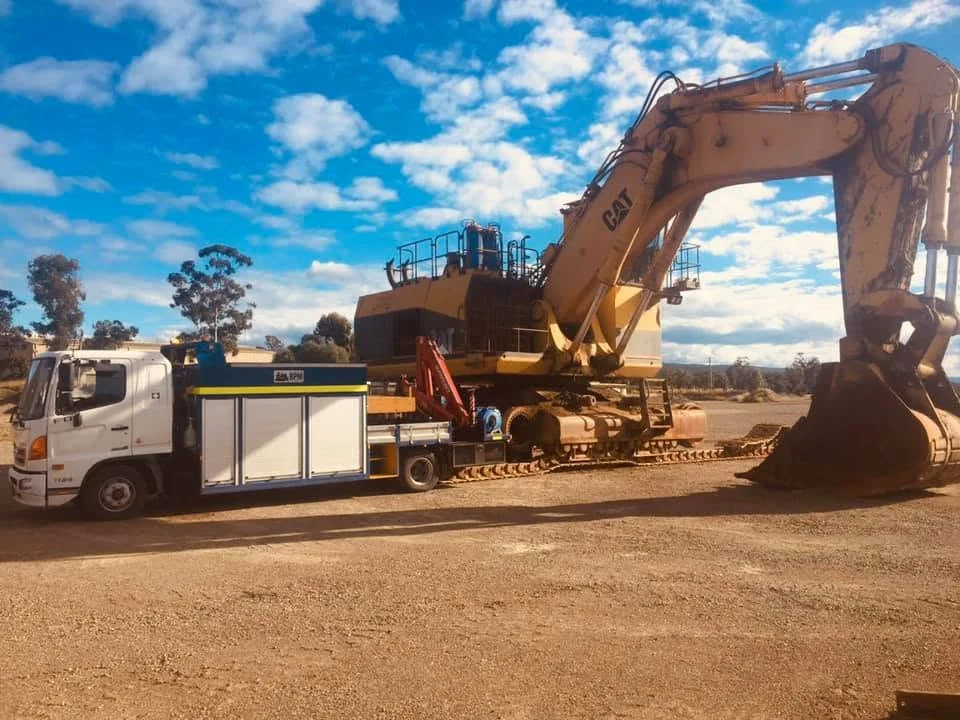
Rain, storms, heat and cold all place different demands on heavy machinery. For plant equipment maintenance in the Illawarra, Buckley’s Plant Maintenance helps operators keep equipment working through changing site conditions. This guide covers what to inspect after severe weather and when to arrange a mechanic’s assessment.
The Short Answer: How Weather Affects Plant Equipment in the Illawarra
The main risks are water ingress, heat stress and difficult cold starts. Heavy rain can contaminate fluids or wash grease from moving parts, while heat can push engines and hydraulics harder; cold mornings can make batteries crank more slowly and oil move less freely. The Illawarra escarpment can bring intense rainfall, and east coast lows can produce sudden storm events.
What Does Heavy Rain Do to Plant Machinery?
Water can enter hydraulic or fuel systems through compromised seals, breathers, caps or other openings. Milky or cloudy hydraulic oil is a warning sign of water contamination, so don’t treat it as a cosmetic change. Rain and water crossings can also wash grease from pins and bushes, wet electrical connectors and leave mud packed around the undercarriage, where it adds weight and traps moisture.
After working in wet conditions, make a careful walk-around and check for new leaks, damaged guards, loose connectors and mud buildup. Follow the machine’s manual for fluid checks and cleaning. Salt-air corrosion and industrial dust need their own maintenance checks; this guide focuses on weather events.
What Should You Check After Working in Wet or Boggy Conditions?
Once the machine is parked safely and the work area is clear, use this checklist. Follow the manufacturer’s instructions and site procedures, and don’t open hot or pressurised systems.
- Check hydraulic oil for a milky or cloudy appearance and inspect fuel-water separators where fitted. If you suspect water contamination, arrange a mechanic’s assessment before returning the machine to work.
- Look over electrical connectors, wiring and air-intake areas for water, mud or damage. Don’t keep operating equipment if water may have reached a critical electrical or engine system.
- Clear packed mud from the undercarriage, tracks and around cooling components using the cleaning method recommended for that machine.
- Inspect pins, bushes, hoses, seals and guards for fresh damage or leaks. Re-grease pins and bushes after muddy or waterlogged work to help push out moisture and grit, following the manual’s lubrication points.
- Check that lights, alarms and starting systems operate normally before the next shift.
Build these post-weather checks into your preventive maintenance schedule so inspections happen before a minor issue becomes an interruption.
How Does Summer Heat Affect Engines and Hydraulics?
Hot weather adds load to cooling systems, particularly when machines work hard at low speed or in dusty, muddy conditions. Mud and debris packed into radiator or oil-cooler fins can restrict airflow and contribute to overheating. Check the cooling pack as directed by the manual and clear buildup carefully; avoid forcing high-pressure water directly into delicate fins. Watch temperature gauges and warning lights, and let equipment cool before checking fluids.
Hydraulic oil temperature can also rise during prolonged heavy work. Heat stresses hoses and seals over time, so look for soft spots, cracks, leaks or bulging and take unusual heat or pressure warnings seriously. Heat and UV can speed up hose wear; our guide to hydraulic hose failures explains warning signs to watch for.
Do Cold Mornings Affect Machinery Start-Up?
Cold mornings can make batteries work harder to crank an engine and can make oil more viscous until it warms. A slow crank, warning light or rough start deserves attention rather than repeated attempts. Use the start-up process and fluid grades specified for the machine, then allow the engine and hydraulics to warm gradually before applying a heavy load.
If starting problems persist, or the machine develops unusual smoke, noises or warning lights, stop and arrange an assessment. The right warm-up procedure varies by machine and conditions, so follow its operator manual instead of revving hard to bring temperatures up quickly.
When Should You Call a Mechanic After Bad Weather?
Stop work and get professional advice if you notice any of the following:
- Milky hydraulic oil, water in a fuel separator or suspected water inside an electrical or engine system.
- Repeated overheating, rising temperature warnings or a radiator/cooler that remains blocked after safe cleaning.
- New hydraulic leaks, damaged hoses or a sudden change in machine response.
- A no-start, repeated slow cranking, persistent warning lights or an electrical fault after a storm.
- Unusual noises, smoke, loss of power or movement that feels different after working in mud or floodwater.
Avoid putting the machine back under load until the cause has been checked. Family-owned Buckley’s Plant Maintenance has serviced the Illawarra since 1990, with on-site support across Wollongong, Shellharbour and the Southern Highlands from our Unanderra workshop. For a machine that can’t be brought in, we can help with mobile earthmoving machinery repairs.
Get in touch to book a service or post-weather inspection. Call (02) 4271 1918. We're available 24/7.
Frequently Asked Questions
About the author
Buckley's Plant Maintenance — sharing practical insight on heavy machinery repair, maintenance and plant hire across the Illawarra and NSW.